

Reduce import costs through strategy, not compliance shortcuts
Reduce import costs using purchasing, logistics and inventory data. Prioritize recurring causes, compare scenarios and preserve compliance across operations.
Start with the margin that reaches cash
Reducing import costs is not about securing the lowest number on a freight quote. A company must safeguard availability, quality, and compliance while improving its margins. A seemingly advantageous negotiation can tie up excess capital, increase damage rates, or create emergencies that wipe out the initial discount.
The true financial goal of any foreign trade review is total landed cost. This figure consolidates overseas purchasing, international freight, taxes and duties, port fees, warehousing, customs clearance, local handling, and the cost of tied-up capital. Evaluating only the commercial invoice unit price creates accounting distortions and misleads executive leadership regarding the profitability of each product line.
Select a product family and reconstruct the actual realized cost from purchase to delivery. Rely on receipts, invoices, and operational records—not just approved budgets. Gather import declarations, bills of lading, freight invoices, port terminal receipts, and customs brokers' debit notes. Separate recurring costs from extraordinary events to understand what can be fixed through process improvements and what requires contingency planning.
When this historical audit compares budgeted costs against figures actually settled in cash, routine discrepancies surface. Many companies discover that savings negotiated at origin were consumed by additional port handling fees or unexpected demurrage at the destination.
Name the root causes before negotiating
Break down product costs, origin charges, transport, insurance, clearance, duties and taxes, warehousing, and distribution. Factor in tied-up capital and measurable losses. Where tax credits are available, validate their accounting treatment with the tax department and distinguish economic benefit from immediate cash outflow. While tax credits can aid margin recovery over the medium term, cash liquidity is required upfront at the time of customs clearance.
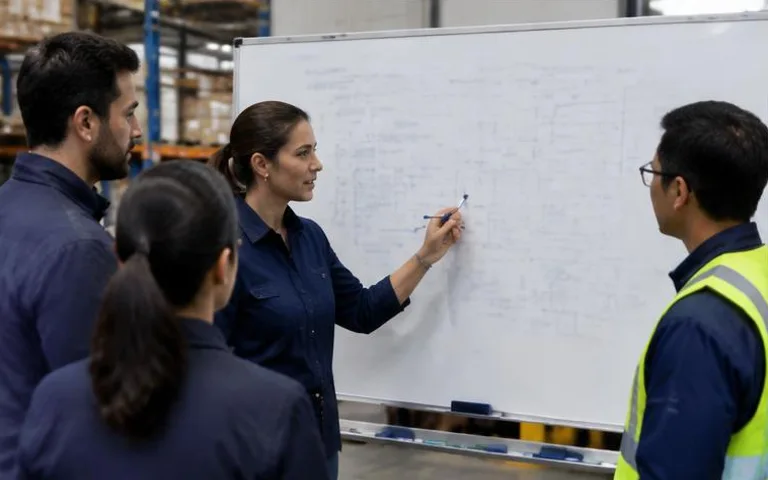
Next, link each expense to its root cause. Storage charges may stem from document discrepancies, a lack of scheduling, or a deliberate decision to hold inventory. Expedited air freight may originate from supplier delays or flawed demand forecasting. Negotiating rates alone merely treats the symptom when the cause lies elsewhere.
Investigating root causes requires categorizing operational deviations with precision:
- Documentation errors: discrepancies in commercial invoices, packing lists, or certificates of origin that halt cargo release during customs inspection.
- Detention windows: insufficient free time granted by ocean carriers for returning empty containers, generating steep demurrage charges.
- Inland transport windows: lack of prior alignment with trucking carriers for immediate pick-up of cleared cargo at terminals.
- Cash flow mismatches: lack of available funds at the time of customs registration, delaying the payment of required duties and taxes.
The diagnosis should also separate legitimate charges, contractual discrepancies, and expenses lacking sufficient supporting documentation. This screening enables evidence-based disputes and improves future procurement, without assuming every unexpected charge is illegitimate. Storage invoices and ancillary service fees must be audited against public rate sheets and commercial agreements established with bonded terminals.
Select levers with demonstrable impact
Redesigning packaging can optimize space utilization, provided it does not increase cargo damage. Minor adjustments to master carton dimensions and palletization patterns increase the usable volume loaded into ocean containers or aircraft. The result is a direct reduction of international freight costs per unit shipped, while preserving product integrity.
Consolidating purchase orders can reduce per-shipment fees, but it raises inventory levels. This decision hinges on inventory carrying costs versus the savings achieved on fixed documentation and port handling charges. Shifting transportation modes or routing requires evaluating the complete service—including transit times, schedule reliability, and total fees at ports of entry. Renegotiating commercial terms must consider who bears costs and risks, not just unit pricing. A strategic shift in Incoterms transfers control over freight and terminal selection to the importer when the importer holds stronger local bargaining power.
Tariff classification, customs valuation, and regulatory treatment require sound technical analysis. Never treat undervaluation, inaccurate descriptions, or artificial classification as strategy. Legitimate tariff relief depends on meeting strict legal criteria backed by compliant documentation, with no one-size-fits-all guarantees. Sound customs planning practices include reviewing Mercosur Common Nomenclature (NCM) classification against the Harmonized System Explanatory Notes and filing formal rulings with customs authorities.
The operational framework to implement these levers gains strength when supported by specialized partners. A network of more than ten partner trading companies across distinct niches allows companies to evaluate tailored service models and sector expertise. Integrating these operations with partner customs brokers boasting over twenty-five years of technical experience provides security in document audits and cargo release. Similarly, partner warehousing facilities in Santos and partner multimodal distribution solutions make it possible to plan port egress with predictable costs and strict adherence to deadlines.
Vendor comparisons must evaluate contracts, liability limits, and operational alignment with the product. Partner headcount alone does not prove cost savings, nor does it replace transaction-level due diligence. Every link in the chain must operate under transparent performance metrics and legal compliance.

Checklist for executing an improvement cycle
The disciplined execution of a cost-reduction plan depends on logical validation stages. Use this operational roadmap to structure actions:
To support execution, leadership should establish objective decision criteria before altering routes or logistics providers:
Common pitfalls must also be monitored throughout the review. The most frequent mistake is switching multiple vendors simultaneously without establishing a clear baseline, making it impossible to identify which change generated savings or created new costs. Another recurring error is accepting cheap international freight that is tied to high-cost bonded warehouses, where destination storage charges far exceed the freight savings achieved at origin.
Assign an owner and a measurable KPI to every initiative. Evaluate cost per sellable unit, inventory availability, and cash flow holistically. If an action reduces logistics spend but increases customer returns or obsolete inventory, the perceived gain must be reassessed. The goal is to optimize the system, not merely shift costs between departments.
Frequently asked questions
Is there a guaranteed percentage of cost reduction? No. Savings potential depends on the starting baseline and the real-world constraints of each supply chain. Operationally disciplined supply chains already run close to their efficiency frontier, whereas operations plagued by documentation errors or poor packaging present immediate opportunities for cost reduction.
Does buying in larger volumes always lower costs? No. Inventory carrying costs, tied-up capital, and obsolescence risks can quickly outweigh volume discounts obtained from suppliers. Larger purchase orders require additional warehouse space, increase upfront tax disbursements upon customs clearance, and heighten financial exposure to foreign exchange volatility and domestic demand swings.
Can I start without replacing existing suppliers and vendors? Yes. Document reviews, optimized scheduling, and contractual clarity often uncover opportunities that can be tested with current partners. Aligning deadlines for import licensing data, renegotiating container free time, and standardizing shipping instructions eliminate surcharges without requiring vendor changes.
What is the relationship between customs compliance and cost reduction? Strict compliance is the primary barrier against the largest drivers of unexpected import expenses. Registration errors, undervaluation, or incorrect tariff classification trigger cargo holds in customs inspection channels, regulatory penalties, demurrage fees, and delivery delays to the end customer. Maintaining compliance ensures financial predictability and operational velocity throughout the supply chain.
Sources and editorial reference
Editorial reference: October 31, 2026. Operational conditions and regulations must be confirmed for each transaction.