
Business · Decisions for Brazil

Logistics and Supply Chain

Integrate the flow. Protect lead times, inventory and margins.

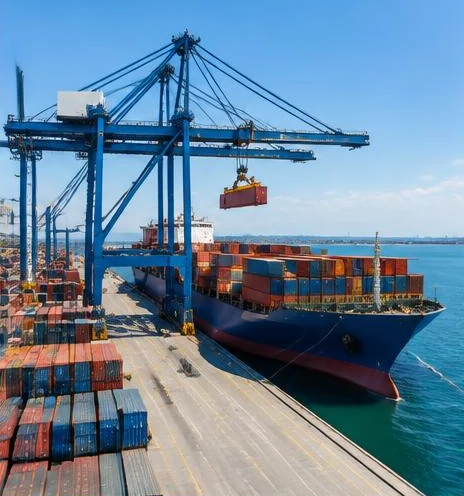
International logistics connects ocean freight, air freight and the supply chain to the Brazilian destination. Logistics is a decision about availability and total cost. From supplier to customer, transportation, inventory, customs clearance and distribution need a single plan—with alternatives when conditions change.

When this path makes sense

  • A company comparing ocean and air freight based on total cost.
  • Cargo at risk of stockouts, with temperature requirements or special dimensions.
  • An importer that needs to integrate port operations, warehousing and distribution.

Decisions that come before operations

01

Choose the transport mode based on actual needs

Compare door-to-door lead times, reliability, volume, value and cargo sensitivity. FCL and LCL have different consolidation and cost profiles. Air freight can reduce transit time and in-transit inventory, but its viability depends on chargeable weight and restrictions. The lowest freight rate does not equal the best outcome.

Include safety stock and stockout costs in the comparison.
02

Negotiate obligations and protection

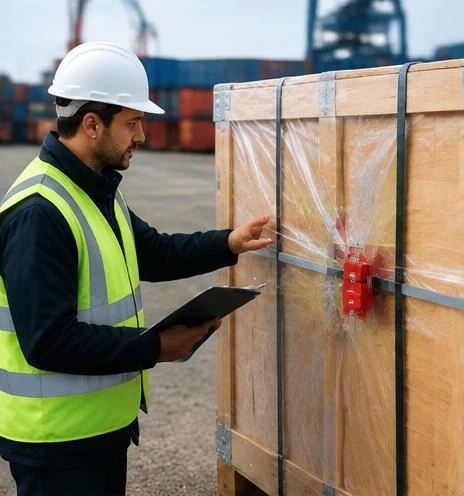
The Incoterm, insurance, packing and responsibilities must be consistent. Check where risk and costs transfer and which events are covered. Dangerous, refrigerated or special goods have specific packaging and transportation requirements.

Confirm exclusions and the evidence required for a potential claim.

03

Plan destination operations before arrival

Free time, demurrage, detention and storage can change the final cost. Coordinate documentary and customs readiness with cargo pickup, container return and transport availability. Strategic warehousing in Santos is part of the partner network, not facilities represented as company-owned.

Map billing timelines and the parties responsible for each milestone.

04

Connect delivery, inventory and contingency planning

Distribution can combine road transport, coastal shipping and air freight depending on the destination and deadline. Define inventory visibility, reorder points and delivery tracking. Have alternative routes, capacity and suppliers for disruptions and political changes.

Use metrics for actual lead times, damage and total cost per order.

What to gather for a useful analysis

  • Weight, dimensions, volume, packaging and characteristics of the goods.
  • Origin, destination, frequency and desired availability date.
  • History of expenses, delays, inventory and insurance requirements.

Points to watch

  • Comparing proposals with different expenses and scopes.
  • Confusing transit time with time to reach the customer.
  • Ignoring cargo restrictions and idle equipment costs.

What the analysis should deliver

  • Comparison of routes and transport modes with equivalent scope.
  • Destination operations, inventory and distribution plan.
  • Monitoring milestones and alternatives for critical events.

Each operation depends on the product, the parties involved, the applicable regime and the objective. A specific analysis must be conducted with qualified professionals and the partners responsible.

Explore each decision in depth

Explore all articles

Your next step starts with a well-structured decision.

Share your company's current situation and the outcome you want to achieve.

Plan my logistics