

Fertilizers: usable quality within the agricultural window
Align importer category, batch quality, authorization and delivery with the application calendar.
Strategic analysis by Jiuann Teng — editorial reference date: October 31, 2026. This is neither news nor confirmation of a regulatory change on this date. The decisions outlined below depend on the specific product, intended purpose, and actual operational setup. Reconfirm applicable regulatory provisions prior to contracting and prior to shipment.

Demand Must Be Tied to Agronomic Use
Before contracting any volume, identify the product, nutrient guarantees, physical form, and planned application. Consult the agronomist in charge to specify acceptable criteria and how compliance will be verified. A comparison focused solely on gross tonnage can mask critical variations in concentration, moisture, particle size distribution (granulometry), and mechanical behavior during spreading. The relevant cost must reflect usable inputs, without confusing a low initial price with guaranteed agronomic performance in the field.
A common mistake in corporate purchasing is disconnecting commercial specifications from soil realities and application machinery. Fertilizers with inadequate granule hardness generate excessive dust during handling, clog metering units, and cause uneven field distribution. Require clear tolerance limits for dust, granule breakage, and physical crushing strength before finalizing the purchase contract draft.
Accurately distinguish between commercial import, production, own consumption, and scientific research. MAPA defines distinct operator categories and regulatory conditions for each of these classifications. Verify establishment registration, product registration status, and the required prior import authorization for each specific case well in advance.
Never turn a personal-use classification into a blanket authorization for resale or transfer to third parties. Formulations containing organic components, peat, or agro-industrial residues require in-depth phytosanitary analysis to prevent the introduction of quarantine pests. Using the generic term "fertilizer" on shipping documents does not eliminate this sanitary control requirement.
To structure raw material and blend procurement securely, corporate buyers frequently consult a network of more than ten partner trading companies. This coordination makes it easier to map established origins, compare qualified suppliers, and verify whether the product offered abroad meets the registration requirements in force at the domestic destination.
Certificates Must Truly Represent the Cargo
Always demand a certificate of analysis tied to the exact batch to be shipped, complete with clear origin traceability data and documentary consistency with contractual warranties. Define the sampling protocol at the port of origin and discharge in the contract, as well as the technical dispute resolution workflow, the accredited laboratory for counter-analysis, and the allocation of inspection costs.
A mere visual inspection does not prove soluble nutrient levels or the absence of undesirable contaminants. Likewise, presenting an analytical report from a prior production run does not certify the compliance of cargo in transit. For complex formulations and NPK blends, establish parameters for bulk density, uniformity, and dispersion to mitigate physical segregation of granules during maritime and road transport.
Plan protection against relative humidity, adverse weather, and cross-contamination during temporary storage and inland transit. Certain nitrogenous raw materials and soluble compounds are highly hygroscopic, requiring dry, well-ventilated warehouses and watertight coverings to prevent caking.
Assess the actual composition of each product against regulatory agencies overseeing controlled substances. Do not treat all cargo as inert, nor assume every fertilizer represents a severe hazard by definition. Customs clearance and domestic transit require licensed carriers, appropriate hazard signaling, and cargo insurance suited to the declared chemical nature.
At this stage, leverage partner storage facilities in Santos and transport distributors to organize port intake. Support from partner terminals and warehouses in the Santos port complex provides the flexibility to discharge bulk cargo, pack it into big bags, and consolidate lots rapidly. Integrating this infrastructure with partner multimodal distribution operators ensures swift transfers from quayside to rail or road fleets, curbing ship and truck demurrage costs.
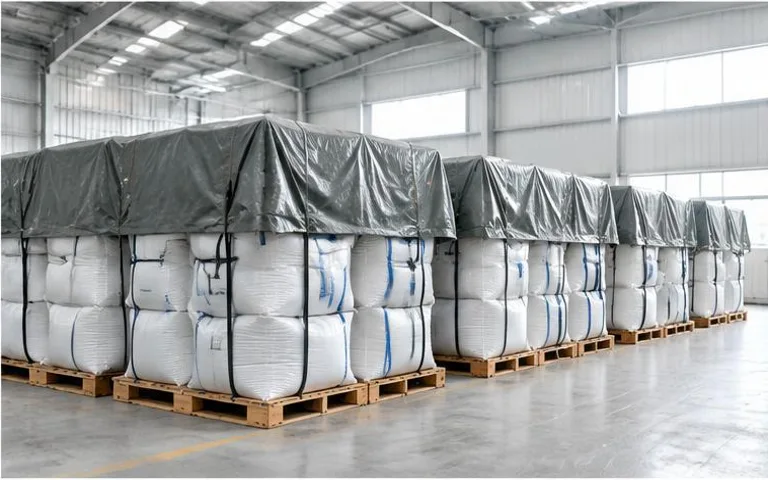
Synchronization Checklist
Synchronizing customs clearance with the crop planting window requires schedules with realistic safety buffers. Arriving at the port terminal on time does not guarantee that inputs will be available and bagged at the farm ready for application. Implement the following sequential checks:
Authorize payment and overseas dispatch only after aligning corporate cash flow with the farm application calendar. If the estimated field delivery date exceeds the optimal window for planting or topdressing, immediately reassess the route, destination, or ordered volume. Avoid promising agricultural yield gains; these metrics depend on rainfall patterns, soil management, and crop health—factors outside supply chain control.
Turn Quotes into Financial Decisions
Compare commercial proposals based on total landed cost to usable inventory at the final destination, rather than simply the factory unit price or quoted FOB value. An apparently low international price can easily be wiped out by steep container demurrage, terminal storage overage charges, and last-minute trucking rates booked at the peak of grain harvest haulage.
To build a total landed cost model for imports, structure the cost calculation around the following expenditure blocks:
- Origin and international freight: Cost of goods, inland freight to the port of origin, loading charges, and international ocean freight with comprehensive insurance coverage.
- Customs and port charges: Berth dues, stevedoring, port handling, weighing, MAPA inspection fees, and customs brokerage services.
- Storage and processing: Layover at bonded or general partner warehouses, hold discharge services, screening to remove fines, and packing into big bags.
- Domestic logistics and taxes: Multimodal freight from the coast to the farm, applicable import taxes upon nationalization according to the company's tax regime, and the cost of working capital tied up during transit.
Base decision-making on three documented financial scenarios: operations executed without incident; delays in berthing or customs clearance with port daily fees incurred; and lots partially damaged or requiring conditioning. Analyze the impact of each scenario on corporate cash flow and operating margins. A preventive financial reserve helps absorb contingencies, but does not eliminate contractual cost risks arising from physical delivery bottlenecks.
Governance to Authorize and Learn
Institute clear governance thresholds defining who approves technical specifications, document checks, foreign exchange payments, and overseas dispatch orders. To mitigate electronic fraud attempts, verify the beneficiary's international bank account details via a secure, independent channel. Thoroughly cross-reference commercial invoices, packing lists, and certificates of analysis before releasing shipments at the port of origin.
Rely on the Brazilian Federal Revenue's Customs Manual and Siscomex administrative tables to guide import declaration preparation and monitor mandatory regulatory approvals. Never assume that a green customs channel achieved in previous shipments will repeat automatically, nor that similar formulations will receive the same tax and administrative treatment.
Throughout customs clearance and regulatory compliance, operating alongside partner customs brokers with more than 25 years of experience in bulk commodities and agricultural inputs provides operational predictability. These partners assist in assembling documentation early in Siscomex, engaging technically with agricultural inspectors, and continuously monitoring document amendments to avoid regulatory fines and cargo seizures.
Once physical delivery is complete, bring procurement, logistics, and agronomic teams together to reconcile budgeted costs against actual incurred expenses. Record any weight discrepancies, crusting, or granulometric breakdown that occurred during handling. Use these operational insights to update technical requirements for the next procurement cycle. The role of specialized advisory is to guide decision-making and coordinate supporting service providers, without acting as the owner of warehouses, port terminals, or transportation fleets.
Frequently Asked Questions
How can import delays be prevented from disrupting the planting window?
Work with schedule buffers commensurate with maritime transit times and potential port berthing queues. Establish the partner multimodal distribution route from port to final destination in advance, and maintain backup contracts with domestic distributors to cover potential emergency supply shortfalls.
What is the difference between purchasing product at port versus delivered to farm gate?
Buying cargo at the quayside shifts full responsibility to the buyer for port handling, bagging loss control, intermediate storage, and booking freight when trucking rates are elevated. Structuring the transaction with inland delivery enables predictable consolidated logistics costs and sets a realistic arrival date at the farm warehouse.
What should be done if the discharge inspection report differs from the certificate of origin?
Formally trigger the dispute protocol outlined in the commercial contract before unloading or blending the fertilizer. Joint sampling, with counter-samples submitted to an official MAPA-accredited laboratory, provides the necessary legal basis to seek price adjustments, batch replacements, or disposal under agreed contractual terms.
Does importing for own consumption exempt the establishment from MAPA registration?
No. Rural producers or cooperatives importing inputs exclusively for use on their own properties must comply with specific registration rules and obtain prior import authorization before cargo is shipped abroad. Classifying imports as own consumption simplifies certain procedures compared to commercial resale, but does not exempt the operation from official agricultural oversight.
Sources and Scope of Analysis
Public sources consulted on October 31, 2026. Guidance documents do not replace formal regulatory statutes or case-by-case operational verification. Historical references identified below are not presented as current events.