

Pharmaceuticals: plan sanitary release before replenishment
A pharmaceutical purchase must align company authorization, product status, stability and quality release.
Strategic analysis by Jiuann Teng — editorial reference: October 31, 2026. This is neither news nor confirmation of a regulatory change on this date. The decisions below depend on the specific product, intended purpose, and actual operation. Reconfirm the applicable regulatory text prior to contracting and before shipping.
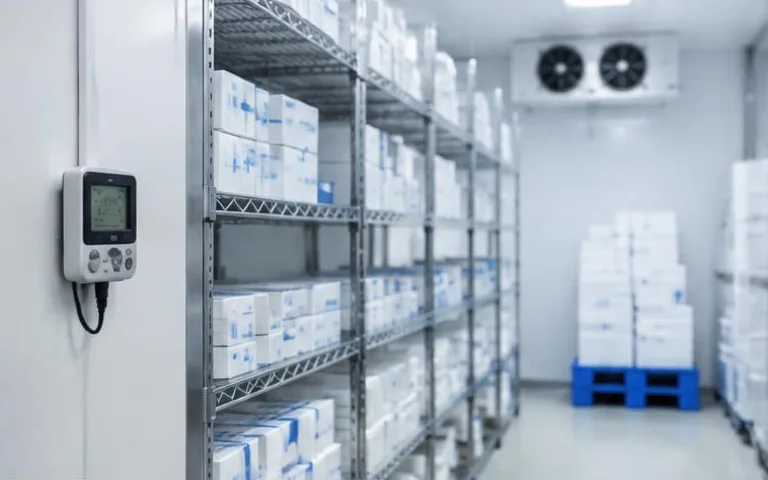
Available inventory does not begin at discharge
For pharmaceuticals and active pharmaceutical ingredients, physical arrival and availability for use are distinct milestones. Corporate procurement must strictly separate international freight, customs clearance channeling, sanitary inspection, potential sampling, and formal quality control release. Promising commercial supply or feeding manufacturing lines based solely on an estimated flight landing or vessel docking date jeopardizes contracts, delivery schedules, and fulfillment to end customers.
Effective planning begins with a clear determination of the intended use. Commercial resale, repackaging/fractionation, pilot batch manufacturing, institutional use, and scientific research each follow distinct requirements and must not be treated as equivalent operations in procurement planning. For each purpose, the documentary compliance chain must be fully mapped before confirming the purchase order.
Build a detailed operational matrix identifying the actual manufacturer, marketing authorization holder (where applicable), importer of record, warehouse operator, and the Technical Responsible Person of each entity. Anvisa guidelines require compatible company licensing for all activities covered along the chain. Holding an Operating Authorization (AFE) does not replace product sanitary registration, nor does it waive prior import approval. Also verify whether a Special Authorization (AE) is required when the substance is subject to special controls.
Sanitary and customs documentation must correspond exactly to the establishment and product class involved in the transaction. Do not use headquarters licenses for operations carried out by a branch without formal extension, nor documentation from affiliated companies within the same corporate group. To execute customs clearance and physical inspection accurately, companies often rely on partner customs brokers with over 25 years of technical expertise, capable of cross-checking the import license prior to cargo arrival at the bonded facility.
Buy usable shelf life
Purchasing with an exclusive focus on unit price often leads to acquiring batches with compromised shelf life. Contractually establish the minimum acceptable shelf life at the exact moment of physical receipt at the destination warehouse, factoring in the average days required for customs clearance, inspection, and release by the Technical Responsible Person. International transport and storage conditions must be grounded in official technical documentation and product stability studies.
Do not apply a generic temperature range across all materials. Biologics, hygroscopic raw materials, and chemically synthesized products each demand specific storage parameters. For temperature- and humidity-sensitive cargo, pre-qualify secondary packaging, shipping routes, and transshipment points. Define the type of continuous transit monitoring and stipulate in standard operating procedures (SOPs) who holds formal authority to assess and decide on any recorded temperature excursions.
An electronic data logger with an out-of-specification reading should trigger neither summary disposal nor tacit release. Every excursion requires a documented technical investigation, correlating logger data with the stability studies provided by the manufacturer. If the shipment requires an intermediate bonded warehouse, incorporate third-party warehousing into the qualification dossier.
Port and off-dock infrastructure demands heightened attention. When shipping via ocean freight, utilizing partner warehousing facilities in Santos that are duly authorized by the competent authorities makes it possible to segregate and acclimate cargo in accordance with current health regulations. Never confuse a facility merely equipped with a commercial cold room with a warehouse formally authorized and audited for healthcare products.

Checklist for responsible replenishment
To mitigate supply disruptions and customs penalties, execute the following verification checklist before authorizing any overseas shipment:
Common inventory replenishment mistakes include authorizing shipments with minor spelling discrepancies on the commercial invoice compared to the product registration, failing to keep local warehouse licenses up to date, and assuming that seaport sanitary clearance times are identical to airport clearance times.
If documentation sent from origin fails to demonstrate chemical identity, manufacturing traceability, and an unbroken cold chain, suspend pickup immediately. Correcting documentation while cargo is in transit generates high container demurrage costs and extraordinary storage fees in bonded areas.
In the event of clearance delays, recalculate the remaining commercial shelf life of the batch and evaluate whether to activate pre-qualified secondary suppliers. Reducing order volumes or staggering deliveries across split shipments are viable alternatives for managing financial risk, but none of these tactics diminishes or circumvents the importer's regulatory obligations.
Turn quotes into financial decisions
The feasibility of a pharmaceutical import must be measured by the total landed cost to usable inventory, not by the ex-factory value (FOB or Ex-Works price). In financial modeling, consolidate product value, origin pickup, domestic transport at origin, international freight, insurance premiums, accurately calculated customs duties and taxes, port or airport terminal handling charges, customs brokerage fees, domestic refrigerated transport, and the cost of working capital tied up during the quarantine period.
Clearly distinguish contractually fixed amounts from those subject to estimates and operational surcharges. A seemingly cheaper commercial quote with fewer itemized lines often shifts ancillary expenses to cargo arrival in Brazil. Require freight forwarders and suppliers to formalize all inclusions, exclusions, free-time storage allowances, and demurrage schedules in writing.
When structuring the procurement, map out three clear operational and financial scenarios:
- Baseline scenario: customs and sanitary clearance progressing within standard timeframes.
- Documentation hold scenario: extended deadlines due to requests for technical clarifications or physical inspection in the red sanitary channel.
- Quality deviation scenario: batch hold or partial rejection caused by analytical non-compliance or a severe transit temperature excursion.
Calculate the financial impact of each scenario on cash flow, product gross margin, and contractual stockout penalties with your customers. To mitigate post-clearance logistics disruptions, build the network using partner multimodal distribution, securing qualified vehicles for road transit or domestic air freight. The selected procurement strategy must remain viable even under the most adverse scenario.
Governance to authorize and learn
Structure an internal approval hierarchy that prevents purchase orders lacking regulatory backing. Formally define who signs off on the raw material's technical specifications, who validates the NCM tariff code from a tax and regulatory standpoint, who authorizes foreign exchange (FX) settlement, and who authorizes origin cargo collection. In structured operations such as import by order (por encomenda) or on behalf of third parties (conta e ordem), coordinating with partner trading companies—integrating a network of more than ten partner firms in this segment—helps dilute risks and align tax routines among contracting parties.
Reinforce corporate security controls: verify overseas bank beneficiary details via independent phone calls prior to executing payments. Cross-check the packing list, commercial invoice, bill of lading, and certificates of analysis before the cargo leaves the exporter's warehouse.
Systematically consult the Brazilian Federal Revenue (Receita Federal) Customs Manual to guide clearance procedures, and check Siscomex for the updated administrative treatment applicable to the designated NCM code. Standards and operational requirements evolve continuously; do not assume the path taken on previous shipments will remain identical for new consignments.
Once receiving and physical release at the warehouse are complete, conduct a post-operation debrief. Compare budgeted costs against actual incurred expenses, record any damage or packaging non-conformities, and investigate the root cause of every delay encountered. Use historical records to improve technical and contractual agreements in the next procurement cycle.
The role of a foreign trade advisory firm is to coordinate technical data, ensure compliance with legal procedures, and manage contracted service providers; hiring one neither transfers the technical responsibility of the buying company nor implies ownership of ports, warehouses, or transport fleets.
Frequently asked questions
What is the practical difference between customs clearance and sanitary release?
Customs clearance is the official act by the Receita Federal concluding fiscal examination and authorizing the release of imported goods. Sanitary release entails import approval (anuência) by Anvisa and, subsequently, batch release by the buyer's Technical Responsible Person at the destination, verifying documentary and analytical compliance prior to use or sale.
How should a temperature excursion during transit be technically handled?
The batch must be immediately placed in physical quarantine within an authorized warehouse. The Technical Responsible Person must extract the data logger records and request accelerated and long-term stability studies from the manufacturer. Release or disposal may only occur supported by a formal technical report duly documented in the quality management system.
Can a branch office import pharmaceuticals using the headquarters' Operating Authorization (AFE)?
No. Health permits and the AFE are tied to the specific physical establishment's tax ID (CNPJ) handling storage and handling operations. The branch must hold its own sanitary authorizations compatible with the operational activities intended at the address where products will be received.
Why can partnering with trading companies be advantageous for raw material replenishment?
Collaborating with partner trading companies allows for economies of scale in international negotiations, tax optimization under current regulations, and coordinated customs documentation management, allowing the buying company to remain focused on its technical compliance and quality control requirements.
Sources and scope of analysis
Public sources consulted on October 31, 2026. Guidance pages do not replace regulatory acts and operational consultation. Historical references identified below are not presented as current events.