

Electric cars: import an aftersales operation, not just vehicles
EV decisions should integrate approval, battery transport, parts and customer support in Brazil.
Strategic analysis by Jiuann Teng — editorial reference: 10/31/2026. This is neither news nor confirmation of a regulatory change on this date. The decisions below depend on the product, intended purpose, and actual operation. Reconfirm the applicable regulatory text prior to contracting and prior to shipment.
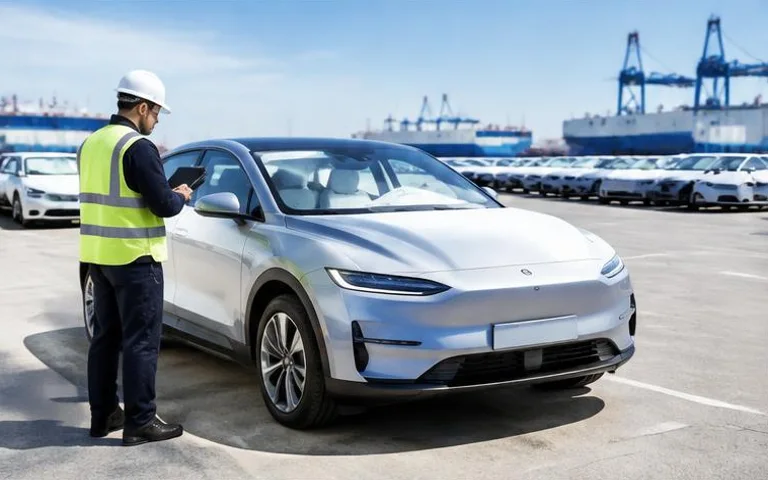
The configuration defines the project
An offer for electric vehicles cannot be assessed solely on advertised range and purchase price. Record the version, manufacturer identification, battery, charging specifications, software, and safety equipment. Discrepancies between versions can impact documentation, spare parts, and technical evaluation. Likewise, a demonstration vehicle must not automatically be treated as a commercial lot ready for resale.
Build a requirements matrix for the actual model together with technical leads. Review administrative treatments and confirm relevant procedures with transit and environmental agencies. Ibama’s vehicle page serves as a starting point to verify regulatory classification or potential exemptions; it does not prove that every electric vehicle requires the same license as an internal combustion vehicle. Nor does the absence of an exhaust pipe imply exemption from all Brazilian regulatory obligations.
Homologation requires clarity regarding the powertrain and auxiliary systems. Changes in battery cell suppliers or modifications to electronic architecture require advance documentary verification. If the factory alters inverter modules or charging connectors during production, the shipment arriving in Brazil may deviate from the filed dossier.
Common mistakes during this initial phase include:
- Purchasing units configured exclusively for the domestic origin market without verifying plug compatibility and communication protocols.
- Confusing authorizations granted for test prototypes with definitive commercial type-approvals.
- Overlooking technical labeling requirements, Portuguese-language manuals, and mandatory component markings.
- Assuming the international supplier will provide technical documentation matching standards accepted in Brazil without a specific contractual clause.
The decision to homologate a model must factor in its intended commercial lifecycle. If the manufacturer plans to discontinue the platform in the short term, investments in testing, documentation, and dedicated tooling will rarely be absorbed by the operation.
The risk continues after delivery
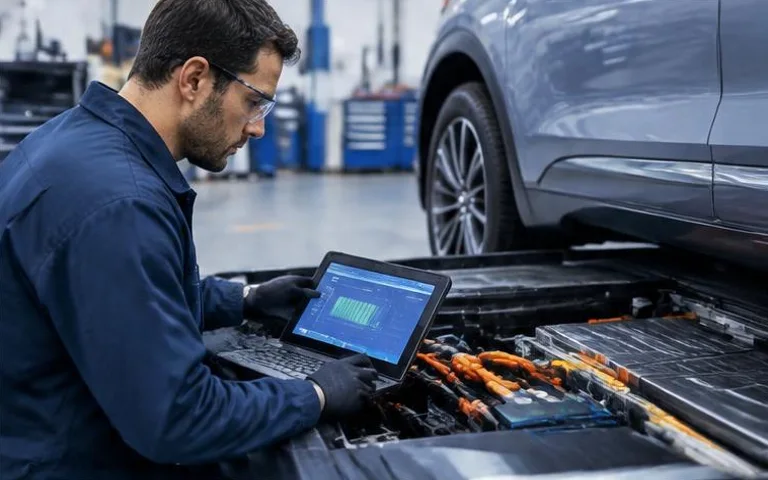
Request a critical parts plan, diagnostics, training, and warranty service procedures. Confirm access to the tools and updates necessary for operation; a commercial promise of remote support does not replace local repair capabilities. Evaluate charging compatibility and end-user information tailored to Brazilian consumers. These conditions must be incorporated into the contract and the launch budget.
During transport, secure written acceptance from the carrier for the configuration with the battery installed and its operational parameters. Verify safety documentation, handling restrictions, and insurance coverage. Do not assume that transporting a vehicle and transporting spare batteries are identical operations. Plan as well for handling damaged units, avoiding improvised storage for compromised batteries.
Reverse logistics for high-voltage components represents one of the operation's most sensitive aspects. Modules with insulation loss or damaged cells require certified packaging, qualified ground transport, and environmentally compliant disposal. Without local contracts executed prior to the first vehicle registration, dealerships or importers will accumulate liabilities in their storage yards.
The after-sales framework requires four operational pillars structured step by step:
- Mapping fast-moving parts and critical high-voltage components before confirming the main order.
- Procuring active diagnostic and telemetry software licenses with guaranteed access for authorized service shops.
- Training and certifying local mechanics in the safe handling of high-voltage electrical systems.
- Establishing a formal agreement with the foreign manufacturer regarding financial reimbursement for repair labor hours and parts replaced under warranty.
Software issues require continuous support. Over-the-air updates must be compatible with domestic telecommunications networks. Lacking this, essential thermal management or charging functions may develop inconsistencies that are difficult to resolve in the field.
Market entry checklist
A structured market entry for electric vehicles requires verifying technical, documentary, and operational milestones. The following checklist serves as a pre-requisite control prior to issuing purchase orders:
Authorize the production run or shipment once support operations can keep pace with sales. If financial viability hinges on an unconfirmed tax assumption, keep that assumption separate from the approved budget. Do not treat an announced tariff trajectory as a substitute for reviewing the regulations effectively in force, nor promise future appreciation or cost savings to the buyer.
Launching sales without an established replacement supply chain triggers immediate consumer complaints. Vehicles immobilized in repair shops due to a lack of wiring harnesses, sensors, or circuit boards cause brand erosion and lawsuits that quickly exceed gross import margins.
Turn the quote into a financial decision
Compare suppliers based on total landed cost to usable inventory, not merely ex-factory price. Factor in merchandise, origin inland haulage, freight, contracted insurance, applicable taxes, terminal handling charges, customs clearance, inland delivery, and financing costs. Separate confirmed costs from estimates. A quote with fewer line items does not necessarily cover more services; request inclusions, exclusions, and liabilities in writing.
Work with three scenarios: operation as planned, clearance delays, and partial shipment rejection. Avoid assigning probabilities without empirical data. Calculate the impact on cash flow, inventory availability, and margin, including the cost of failing to fulfill customer commitments. The selected alternative must remain fundable under the adverse scenario; a contingency reserve is neither a guarantee of savings nor a contractual ceiling on expenses.
Objective criteria for assessing the project's economic viability:
- Does working capital support prolonged port dwell times during potential detailed physical inspections?
- Have demurrage and port storage fees been budgeted with a buffer for supplementary regulatory demands?
- Were workshop tooling costs and the initial shipment of replacement batteries allocated to the vehicle's initial capital outlay?
- Does the international sales contract clearly assign manufacturer liability for shipments rejected due to technical non-compliance?
Frequent pricing errors occur when companies overlook the customs costs of components imported separately from the vehicles. Duty rates and tax treatment for electronic modules, spare batteries, and charging connectors do not always align with the tariff classification of fully assembled automobiles.
Financial planning must anticipate the cost of holding buffer inventories for replacement parts. While electric vehicles require fewer fluid changes, urban collisions still necessitate body panels, sensor-integrated bumpers, and lighting assemblies on short lead times to avoid excessive vehicle downtime for end customers.
Governance to authorize and learn
Formally document who approves specifications, regulatory classification, payment releases, and shipment. Verify banking beneficiaries through an independent secondary channel, and cross-reference the commercial invoice, packing list, and technical descriptions prior to cargo pickup. Use the Brazilian Federal Revenue Customs Manual to guide clearance procedures and Siscomex to verify the operation's administrative treatment. Do not assume that a previously used process will remain viable or that all products follow the same declaration path.
Post-receipt, compare budgeted versus actual costs, document damages and rejections, and investigate the root cause of every discrepancy. Update the next purchase order with these findings. The role of an advisory firm is to coordinate information and contracted service providers; it does not imply ownership of terminals, warehouses, carriers, or proprietary physical infrastructure.
Internal decision-making workflows must define clear approval thresholds and role segregation:
- The engineering department validates configuration compliance and approves the mandatory parts package.
- The tax and customs team, in coordination with partner customs brokers possessing over twenty-five years of experience, validates tariff classifications and required import licenses.
- Executive finance authorizes disbursements only upon issuance of the bill of lading and certificates of conformity.
- The operations team monitors customs clearance, partner warehousing in Santos, and partner multimodal distribution through to final delivery points.
Post-shipment reviews and periodic audits help institutionalize lessons learned. Document clearance delays, unexpected tax assessments, and discrepancies in workshop manuals to demand immediate corrective action from the exporter in subsequent shipments.
Frequently asked questions about import and after-sales
What immediate precautions must be taken when importing spare batteries alongside vehicles? Traction batteries shipped as individual components require logistics and customs procedures distinct from assembled vehicles. They demand strict dangerous goods (DG) classification, certified specialized packaging for international transport, and dedicated storage protocols at port terminals. Do not consolidate loose batteries without prior written acceptance from both the ocean carrier and the destination terminal operator.
How can a continuous supply of software updates be guaranteed for imported models? The contract with the automaker must define explicit obligations regarding server maintenance, user interface localization into Portuguese, and the release of technical bug-fix patches. The importing company must secure guarantees that telemetry and diagnostic servers will remain accessible within Brazil and that any critical system faults will receive direct engineering support from the manufacturer.
What is the role of partner companies across the electric vehicle supply chain? Logistics and customs structuring relies on specialized collaborative networks. Support from more than ten partner trading companies provides operational flexibility, while partner customs brokers with over twenty-five years of experience help ensure compliance with tax and customs rules. Partner warehousing facilities in Santos and partner multimodal distribution routes guarantee the safe transport and proper devanning/handling of assembled vehicles and heavy spares.
What should be done when a unit arrives with battery or electrical system damage? The company must immediately trigger a predefined quarantine protocol, isolating the vehicle in an open, well-ventilated area without attempting to charge it. The international cargo insurer must be notified immediately to conduct a joint survey. Insulation failure incidents require calling in specialists for safe disassembly and certified environmental disposal, following procedures defined prior to contracting freight.
Sources and analytical limits
Public sources consulted on 10/31/2026. Guidance pages do not replace the statutory act or formal case-specific operational review. Historical references identified below are not presented as current events.