

LCVM and LCM for imports: environmental configuration is not CAT
Organize environmental scope, import consent and road homologation as separate workstreams.
Checked: 2 November 2026. This article supports transaction planning and does not guarantee approval. Check the current treatment by NCM classification, attributes, purpose and customs regime before contracting or shipping; consolidated administrative texts do not replace the official gazette, DOU.
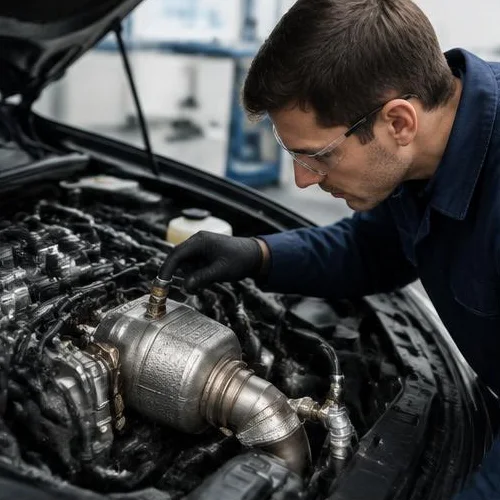
Three questions before purchasing
A vehicle import requires separating commercial admissibility, environmental control and road requirements. An environmental configuration license addresses a regulated configuration; import consent examines the transaction subject to control; road homologation serves another purpose. Calling all three “homologation” makes missing documents and responsible parties harder to identify.
Start by asking what will be imported, for which purpose and under which regime. A car for commercialization, a motorcycle for personal use and an off-road machine do not necessarily follow the same route. Record NCM classification, technical identity and destination. Do not assume that inclusion in chapter 84 or 87 is enough to impose the entire environmental control framework, or that absence of road use removes every obligation.
When to investigate LCVM and when to investigate LCM
The Licença para Uso da Configuração de Veículo ou Motor, LCVM, belongs to Proconve for regulated light and heavy vehicles, engines, and road or agricultural machinery. It is not an indiscriminate license for every vehicle. Ibama guidance cites Ordinances 86/1996 and 167/1997, alongside subsequent standards that must be checked for the actual category.
The Licença para Uso da Configuração de Ciclomotores, Motociclos e Similares, LCM, is the Promot route for relevant moped, motorcycle and similar categories. It is not a second mandatory certificate for every car. Record this distinction in the initial product sheet together with engine and emissions-system characteristics. Commercial name, appearance and engine displacement alone do not replace a complete regulatory classification.
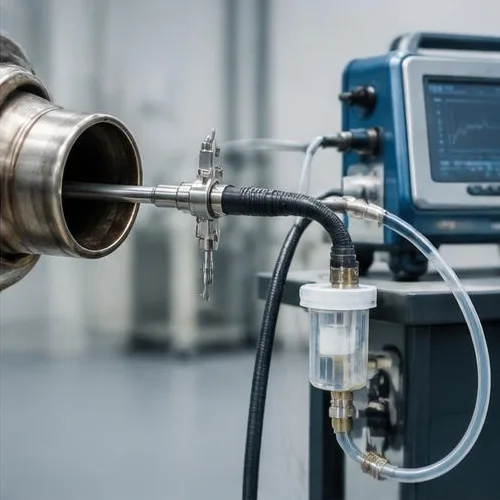
The license follows the configuration
Licenses are configuration-specific. Changes to the engine, transmission or emissions systems can require different licenses. Comparison should therefore go beyond make and model: check the version actually being purchased and the technical elements supporting its correspondence with the license presented.
Request enough documentation to trace what the manufacturer will produce and what the invoice will describe. If a specification changes during negotiations, reopen the assessment before authorizing shipment. Approval of a similar vehicle does not automatically demonstrate coverage. Do not invent a standard issuance period either: this research does not verify a universal review timetable. Organizing evidence reduces documentary uncertainty, but it does not control the authority’s decision or the length of the administrative procedure.
Import consent, CTF/APP and first authorization
An environmental license or dispensation is distinct from analysis of the import license. Ibama’s service concerns relevant items in chapters 84 and 87 subject to emissions and noise control, not every product in those chapters. Check current treatment by NCM, attributes, purpose and regime rather than turning an old manual into an absolute rule.
The 2026 guidance distinguishes CTF/APP activity 21-43 for own use from 21-44 for commercialization. It states that registration follows the first authorization and regular CTF/APP status is required from the second. Do not copy obsolete category 98 or impose a blanket registration prerequisite before the first authorization using superseded material. The declared purpose should match the actual business arrangement and the documents supplied.
Dispensations and the boundary with CAT
An approved dispensation is a separate documentary route, not permission to omit documentation. Pure-electric vehicles, special-purpose vehicles and exempt situations need category-specific analysis. Detailed 2026 emissions-stage applicability and complete exemption schedules were not audited in this research; do not advertise an exclusion simply because a vehicle lacks a conventional engine or is old.
LCVM is not CAT. The Certificado de Adequação à Legislação de Trânsito belongs to Senatran’s road-homologation framework, involving a make/model/version code and subsequent steps. Neither document is an individual Detran registration. Off-road machinery should not automatically receive the same road-registration plan as a passenger car, but the environmental route still requires its own specific verification.
Hypothetical example and configuration checklist
An importer negotiates utility vehicles whose offered version changes the transmission from the configuration initially documented. Before shipment, it requests technical confirmation of coverage, reassesses the relevant environmental license and keeps the CAT review separate. It does not use “same model” as a substitute for documentary correspondence.
FAQ: licenses that do not replace one another
Does every car need LCM? No. LCM concerns relevant Promot categories, not a universal additional requirement.
Does LCVM permit registration for road use? It does not replace CAT or individual registration and licensing procedures.
Does environmental dispensation mean unrestricted importation? No. Admissibility, border controls and road requirements remain separate assessments.
Is a collector vehicle automatically exempt? This research does not support that conclusion. The cultural exception for used vehicles manufactured more than 30 years ago does not alone resolve environmental treatment; confirm the provision applicable to the specific vehicle.
One configuration, one controlled document reference
Maintain a recommended configuration sheet with a version and date, bringing together the technical elements used in environmental assessment and references to documents received. The manufacturer supplies and explains the data; the technical team compares specifications; the regulatory owner records the conclusion on applicable documentation; purchasing communicates commercial changes that could affect that assessment.
If the supplier proposes another engine, transmission or emissions system, open a change record before replacing attachments. Identify the affected order, previous description, new description and questions still outstanding. Do not mark the configuration as checked while documentary correspondence depends on an unanswered request.
Keep the environmental assessment separate from the CAT workstream, but use the same version identifier in both. When the review is complete, distribute the updated reference to the import coordinator and archive the previous one as superseded. This recommended routine helps prevent teams from describing different vehicles on paper; it creates no additional license and cannot anticipate Ibama’s decision.
Official sources and next steps
- Ibama: LCVM e Proconve
- Ibama: LCVM e LCM
- Ibama: controle de importação de veículos e máquinas
- Senatran: emissão de CAT
Return to the origin page, explore CAT and RENAVAM, collector vehicles, import licensing and LPCO, or contact our team to organize a document review. Advice cannot replace the competent authority’s decision.