

FCL or LCL ocean freight: decide beyond the freight quote
Compare FCL and LCL using landed cost, handling exposure and inventory needs. Learn what to verify before booking your next international ocean shipment.
The Decision Starts with Delivery, Not the Container
Choosing between FCL (Full Container Load) and LCL (Less than Container Load) means defining how a company allocates cost, inventory, and responsibility across the import process. FCL typically involves booking an exclusive container for a specific shipment, whereas LCL consolidates cargo from multiple shippers into a shared container. Neither option wins automatically based solely on purchase volume or apparent cubic footage.
The decision-maker must start with three key pieces of information: the required availability date at the plant or distribution center, the physical characteristics and fragility of the goods, and the acceptable cost of a potential supply disruption. A smaller purchase that is highly sensitive to repeated handling may warrant dedicated space to prevent damage and intermediate inspections. Conversely, fractional, regular, and predictable replenishment can favor consolidation, provided that local terminal and deconsolidation fees are rigorously mapped prior to shipment.
To approach this choice professionally, procurement and supply chain leaders must evaluate the entire supply chain, not just the ocean freight highlighted on the commercial invoice. The logistics ecosystem encompasses freight forwarders, ocean carriers, bonded facilities, and inland operators. A structured network of partners—including trading partners, experienced customs brokers with a proven track record in port clearance, warehousing infrastructure in the Santos hub, and multimodal distribution—transforms freight booking into a strategic decision driving working capital and service levels.
The wrong decision often generates severe indirect costs. Committing to FCL prematurely can tie up capital in excess inventory, creating additional general warehousing expenses and risks of obsolescence. On the other hand, utilizing LCL for fast-moving inventory without assessing destination charges can result in port handling costs that are disproportionate to the cargo's value. Managerial focus must remain on the total landed cost per delivered, sellable unit.
Compare the Complete Cost Breakdown
Request quotes based on identical origin, destination, shipping window, and commercial responsibilities properly aligned with the negotiated Incoterms. For LCL, verify the weight/measurement (w/m) charging basis (calculated as the greater of gross weight in metric tons or volume in cubic meters), minimum charges per shipment, deconsolidation fees, document issuance, and handling charges at the destination bonded terminal. For FCL, closely inspect the equipment type (such as 20-foot, 40-foot standard, or High Cube containers), origin and destination Terminal Handling Charges (THC), drayage to the stripping facility or manufacturing plant, as well as terms for empty container pickup, inspection, and return.
Factor in cargo insurance, customs clearance, port storage, and inventory carrying costs during transit. Verify any maritime-related levies, including Brazil's Merchant Marine Renewal Tax (AFRMM) where applicable, without assuming a quoted rate covers all fiscal and parafiscal liabilities. A low international freight rate often masks significantly higher local landside charges, particularly handling fees and port storage tariffs set by the consolidator’s designated terminal.
The financial comparison must be based on goods cleared through customs and ready for final delivery, not merely cargo arrived alongside the vessel. Separate costs common to both options—such as import duties and taxes, the Siscomex fee, and customs brokerage fees—from those directly influenced by the choice between consolidated and exclusive containers. This prevents attributing artificial savings to a shipping mode when they actually stem from payment terms or commercial agreements negotiated with the overseas supplier.
Common mistakes in cost comparisons include:
- Comparing only the ocean freight line item, ignoring that LCL carries local deconsolidation and bonded facility handling tariffs that differ substantially from FCL container rates.
- Overlooking free time allowances and detention/demurrage penalties in FCL, which can heavily burden operations if regulatory inspections or customs clearance face delays.
- Failing to anticipate transshipment, additional palletization, and inland on-forwarding costs at destination for consolidated cargo requiring multimodal distribution.
- Disregarding the consumption rate of raw materials or finished goods, leading to internal warehousing costs that negate any freight savings achieved through consolidation.
Handling, Packaging, and Predictability
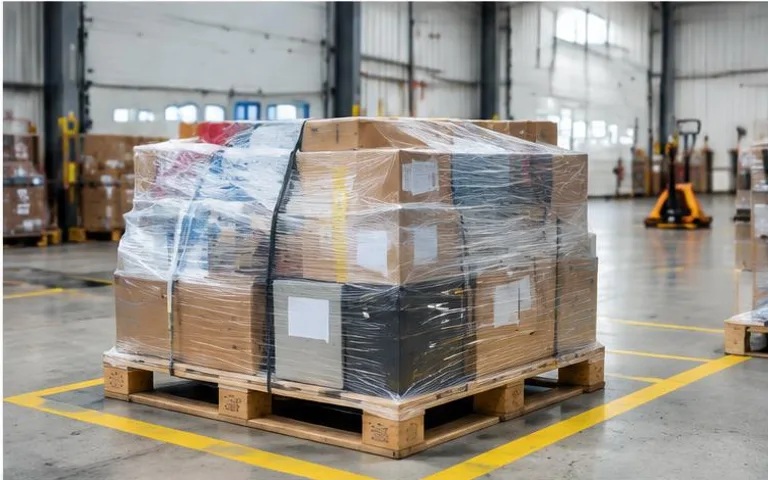
LCL typically involves successive steps: consolidation at the origin warehouse, co-loading with third-party cargo, handling at the loading port, stripping at the destination bonded terminal, and lot sorting. This cycle increases the number of operational touchpoints and mechanical forklift handling. Critically assess cargo fragility, vertical stacking capacity, protection against vibration and moisture, and chemical and physical compatibility with other cargo sharing the container. Chemical, flammable, or strictly regulated products require rigorous segregation and documentation, and consolidator acceptance should never be assumed without prior confirmation.
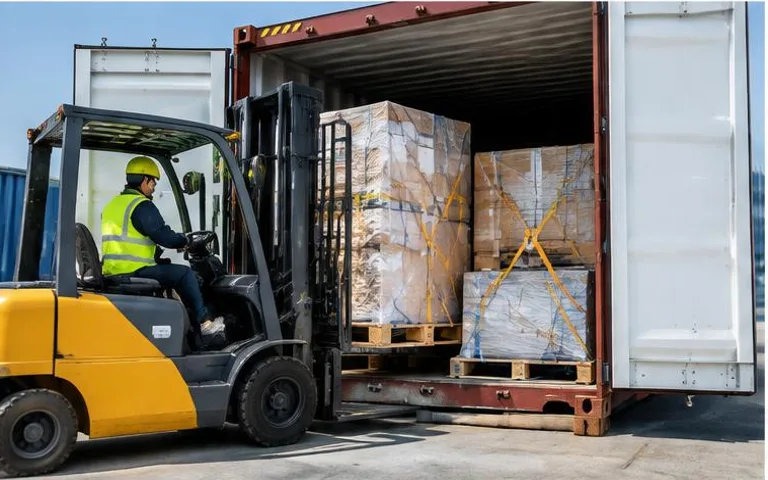
In FCL, cargo stuffing, lashing, dunnage, and proper weight distribution remain essential. While an exclusive container minimizes third-party handling, it does not eliminate the risk of damage caused by vessel motion, physical customs inspections, or operational delays due to port congestion. Prior to authorizing shipment, verify the availability of clean, seaworthy containers at origin, suitable container chassis for road transport, and sufficient yard space for maneuvering and unloading at the receiving facility.
To decide between the two modes based on physical operations, consider the following objective criteria:
- Volume and density: Cargo above a certain cubic threshold approaches the cost inflection point of a dedicated container, making FCL financially advantageous even if the container is not fully utilized.
- Contamination and loss risk: Products requiring phytosanitary, pharmaceutical, or high-security controls favor FCL, allowing end-to-end sealing directly from the origin facility.
- Delivery window: LCL often exhibits longer total lead times due to pre-carriage consolidation and documentary deconsolidation at destination; FCL generally offers direct transit once the unit is released.
- Importer receiving capacity: Unloading a sealed container requires appropriate docks and a dedicated team for prompt stripping, whereas LCL shipments can arrive pre-palletized on standard curtain-side or box trucks.
Pre-Shipment Authorization Checklist
A clear governance process prevents approvals driven solely by commercial urgency. Use the following framework prior to confirming bookings:
Phase 1: Pre-shipment planning
Phase 2: Customs and logistics validation
Phase 3: Execution and final delivery
Formally document the demand assumptions underpinning the choice between FCL and LCL. Once delivery to the plant or distribution center is complete, conduct a detailed reconciliation of budgeted versus actual landed cost per sellable unit, itemizing any cargo damage, detention/demurrage fees, and expedited shipping expenses. Historical data from similar shipments on specific trade lanes remains the most reliable baseline for guiding a phased transition from consolidated purchases to dedicated containerloads.
Frequently Asked Questions
Is there a universal volume threshold for choosing FCL?
No. There is no fixed cubic volume that automatically triggers the transition. The relationship between base ocean freight rates, local port handling charges, cargo density, order frequency, and working capital strategy varies significantly depending on the trade lane, seasonality, and specific tax conditions of each operation.
Is LCL always slower?
Not necessarily, although it frequently involves longer overall cycle times. Consolidation at the origin depot and deconsolidation along with customs stripping at the arrival port add days to the schedule. However, during periods of acute empty container shortages for FCL, LCL shipments may secure faster departure if the consolidator has protected space allocations with ocean carriers.
Can the decision be made based solely on the Incoterm?
No. Incoterms define only the allocation of responsibilities, costs, and transport risks between buyer and seller; they do not dictate the operational suitability of the cargo unit. A purchase under FOB or CIF terms still requires a detailed review of destination local charges, customs clearance procedures, and the impact of physical handling on the merchandise.
How does the partner network affect the choice between FCL and LCL?
The efficiency of either mode depends on operational alignment among customs brokers, bonded warehouses, and inland carriers. Coordinated partnerships for warehousing and handling at the Port of Santos, combined with responsive customs brokerage and integrated multimodal distribution, reduce storage costs and mitigate demurrage/detention risks, making both options more predictable financially.
Sources and Editorial References
Editorial reference: October 31, 2026. Operational conditions and regulations must be confirmed for each shipment.