

Importing collector vehicles over 30 years old: limits of the exception
The cultural exception is not the only route for used vehicles and does not automatically waive environmental or road controls.
Checked: 2 November 2026. This article supports transaction planning and does not guarantee approval. Check the current treatment by NCM classification, attributes, purpose and customs regime before contracting or shipping; consolidated administrative texts do not replace the official gazette, DOU.
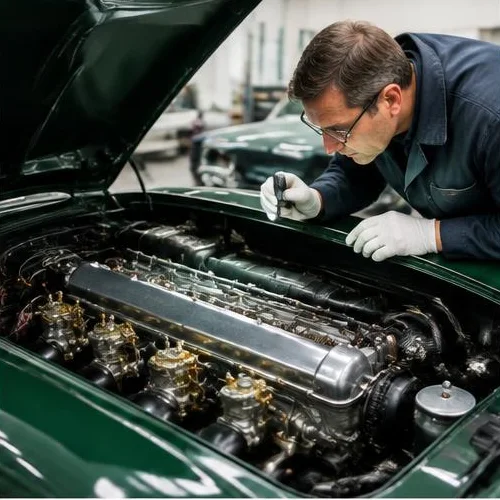
Age is only part of eligibility
The question “can I import an old car?” needs more information than the year shown in an advertisement. Article 35 of Secex Ordinance 249/2023 prohibits used consumer goods and their components, parts and accessories, subject to defined exceptions. Paragraph 1, item IV covers specified vehicles manufactured more than 30 years ago for cultural and collection purposes.
“More than 30 years” must not become “30 years or older.” A seller calling a vehicle a classic is not enough either. Establish manufacture, fiscal classification and cultural and collection purpose through consistent documentation. The consolidation examined includes amendments through Secex Ordinance 523 of 15 July 2026; that does not remove the need to check current treatment before contracting and shipping.
Which vehicles and parts the provision covers
The provision lists NCM headings 8701, 8702, 8703, 8704, 8705, 8709, 8711 and 8716, and subheadings 8903.21.00, 8903.22.00 and 8903.23.00. Its fiscal scope and purpose are specific; it is not permission for every old object with an engine. Classify the actual goods instead of choosing a heading because it suits the collection narrative.
The text includes parts and accessories for maintaining or restoring those vehicles. Do not turn this into permission for any used spare parts intended for generic resale. Document the maintenance or restoration link to a covered vehicle and check the part’s own classification and treatment. Mixed consignments need item-level assessment; one eligible vehicle does not automatically regularize everything traveling in the same container.
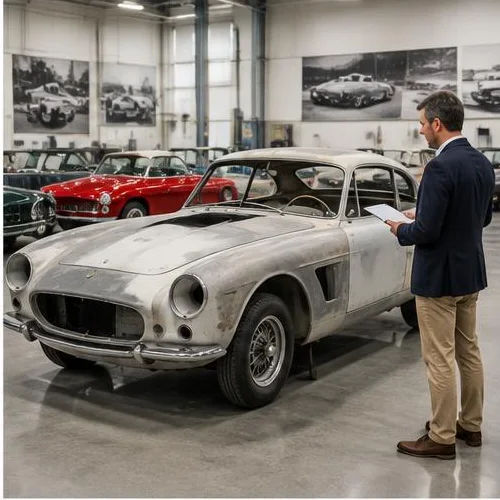
It is not the only exception for used goods
Article 35 also identifies qualifying inheritance, specified institutional donations, adapted cars owned by disabled persons moving from abroad, and vehicles meeting the import-tax exemption conditions in articles 187 and 188 of Decree 6.759/2009, alongside cross-referenced exceptions. Each route has its own requirements.
Do not conclude that ordinary relocation or personal use permits importing any used car. Nor should the separate exception for sailing boats up to 30 years old for tourism and sport be used as a basis for importing cars. The correct method is to identify the exact provision and assemble evidence of its conditions. If none fits, the transaction’s purpose should not be relabeled as collection merely to circumvent the prohibition. An exception is a legal test, not a marketing description.
Road collection status is another test
Contran Resolution 957/2022 defines collection vehicles as more than 30 years old, original or modified, and possessing historic value. Original status requires at least 80 out of 100 originality points. CVCOL assessment is carried out by a Senatran-accredited entity. These elements concern road classification and do not replace import admissibility.
The collector-import service emphasizes preserved original characteristics, although the general road definition includes modified vehicles. Address that distinction explicitly. Do not advertise every modified vehicle of sufficient age as importable. Disclose the changes and obtain case-specific confirmation of the applicable route before purchasing. Likewise, do not assume that a score alone resolves environmental controls, taxation or customs documentation. The tests interact, but they remain legally distinct and require their own supporting records.
Documents and controls that remain separate
Senatran’s service requests an approved import-license extract, invoice, four photographs, CVCOL/originality documentation and evidence of collection-club membership, among other documents, to grant a specific make/model/version code. That list does not remove the need to check the current service or permit rearranging stages merely for commercial convenience.
The cultural exception does not automatically waive LCVM/LCM, CAT, import licensing, taxes or Detran registration. Environmental guidance references article 4 of Ibama Ordinance 86/1996, but the full current text of its exceptions was not retrieved in this research. Confirm the dispensation provision and certificate route for the exact vehicle. LCVM is not CAT; a version code is not an individual RENAVAM number, whose correct spelling ends in M, not N.
Hypothetical example and pre-purchase checklist
A collector finds a vehicle manufactured in 1994, with a replacement engine and documented previous use. Its age at this article’s reference date does not remove the need to classify it, demonstrate cultural purpose and examine modifications. She requests confirmation of the distinction between modified collection status for road purposes and import-service eligibility, without assuming a favorable result.
FAQ: limits that must not disappear
Is reaching exactly 30 years enough? The verified wording says more than 30 years; do not broaden it.
Is collection the only used-goods exception? No. Article 35 contains other conditional routes.
Are modified vehicles always accepted? There is no basis for a blanket promise; the differing wording requires specific confirmation.
Are used parts generally unrestricted? No. The identified provision concerns maintenance or restoration of covered vehicles.
Does cultural approval guarantee registration? No. Commercial admissibility, environmental treatment and road classification are different tests.
Purchase dossier and restoration-project changes
As a recommended practical measure, assemble vehicle identity, manufacturing evidence, received photographs and a description of known modifications in one dossier. The purchaser should ask the seller to explain discrepancies; the technical adviser reviews characteristics; the document coordinator keeps admissibility, environmental and road conclusions separate.
If the restoration project changes, record what is proposed and which documents need another check. An engine replacement or change in characteristics should not be silently incorporated into the version submitted for assessment. Retain earlier images and identify when and by whom each piece of information was supplied, without presenting an unconfirmed proposal as an approved condition.
Before making shipment commitments, review outstanding questions with named owners. Distinguish a document received from a document checked and from a question still requiring specific confirmation. This discipline helps prevent commercial enthusiasm from replacing evidence of eligibility, but it creates no new legal condition and does not guarantee acceptance of a modified vehicle.
Official sources and next steps
- Portaria Secex 249/2023: texto consolidado
- Resolução Contran 957/2022
- Senatran: importação de veículo de coleção
- Ibama: LCVM e Proconve
Return to the origin page, explore LCVM and LCM, CAT and RENAVAM, import licensing and LPCO, or contact our team to organize a document review. Advice cannot replace the competent authority’s decision.