

Heavy machinery: plan through commissioning
Weight, dimensions, safety and installation define heavy-machinery import viability.
Strategic analysis by Jiuann Teng — editorial reference: October 31, 2026. This is neither news nor confirmation of a regulatory change on this date. The decisions below depend on the product, purpose, and actual operation. Reconfirm the applicable regulatory text before contracting and before shipping.
Importing or procuring heavy industrial machinery is not a simple asset purchase. It is an integrated project encompassing engineering, international logistics, tax compliance, and field assembly. When the focus falls solely on the manufacturer's commercial invoice, the company assumes invisible liabilities that tend to surface at the most critical moments.
The success of such an investment is measured on the factory floor, with the line operating at expected speed and quality. Every link between contract signing and the first commercial batch must be structured end-to-end.
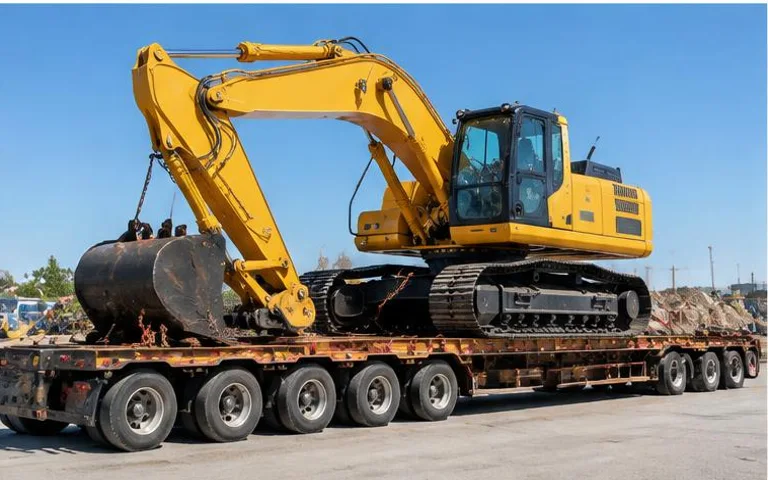
The destination is an operational machine
Buying a machine based solely on its shipping price leaves a critical portion of the project out of the decision. Define capacity, target process, energy consumption, interfaces, tooling, and installation requirements. Confirm whether the scope of supply includes essential accessories, drawings, manuals, and training. A machine delivered without the components necessary for commissioning does not yet represent available production capacity.
Procurement contracts must account for integrating the equipment with the existing plant. Assess utility requirements in advance, such as compressed air, steam, cooling water, electrical substation capacity, and civil foundation stability. If the machine arrives before the reinforced concrete floor or dedicated transformer is ready, the asset will generate financial costs rather than operational revenue.
State whether the equipment is new or used. This status can alter the administrative process and must not be disclosed only upon arrival. The entry of used machinery into Brazil requires a national similarity analysis and strict prior authorizations from the competent consenting agencies. Treating this distinction as a secondary operational detail is one of the most common causes of cargo detention in bonded areas.
Verify the actual requirements for operation and evaluate Brazilian workplace safety standards regarding installation and use. Do not confuse a foreign compliance mark with automatic adherence to local regulations. Mechanical safeguarding devices, light curtains, safety relays, and emergency stops require proven technical compliance in Brazil. For machinery subject to environmental controls, confirm classification with Ibama based on configuration and application, determining whether import licenses or emissions controls are required before releasing the overseas shipment.
The route must be viable at every leg
Obtain actual dimensions and weight, center of gravity, lifting points, and transport drawings. Choose between standard equipment, out-of-gauge cargo, or project cargo only after this information is confirmed. Verify terminal capacity and the feasibility of the domestic route, including plant access roads. An accepted international freight quote does not prove the cargo will clear the gate or reach its foundation.
Moving heavy machinery requires road and rail route feasibility studies. Bridges, overpasses, overhead wiring, toll plazas, and tight curves can make transit by heavy-haul trailers or lowboys unfeasible. Securing special transport permits from highway infrastructure authorities requires time and detailed technical documentation.
To enable complex logistics flows, coordination with specialized warehousing partners in the Santos area and multimodal distributors nationwide ensures that spare parts, structural components, and main assemblies converge according to plan. Similarly, support from partner customs brokers with over 25 years of technical experience in the sector helps anticipate the fiscal and documentation requirements for each cargo mode.
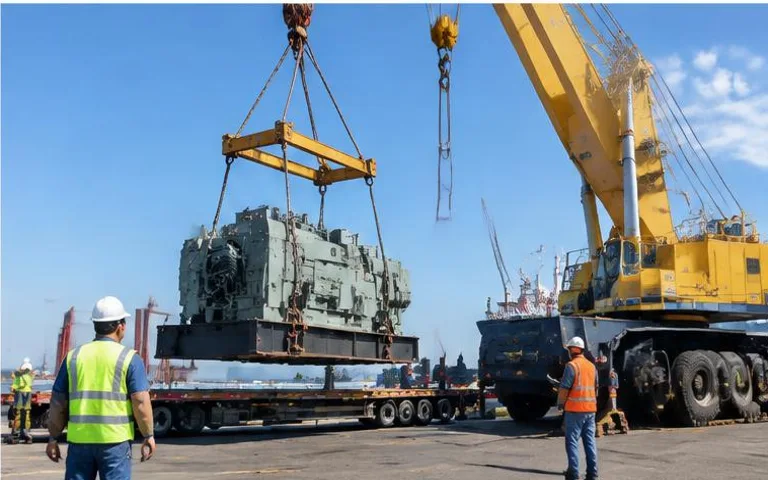
Plan offloading, assembly, and interface responsibilities. Define acceptance criteria at both the factory and the destination, distinguishing transit damage from performance failure. Secure insurance tailored to the project, scrutinizing exclusions, deductibles, and any need for installation and assembly coverage. The schedule must account for civil works preparation and technical team availability, not just transport.
Investment checklist
Before issuing a down payment or authorizing the manufacturing order, subject the project to a structured validation process. The sequence below establishes objective criteria to mitigate technical and regulatory bottlenecks:
Do not take a tax reduction for granted simply because an application is pending or a similar piece of equipment has received one. Full compliance with the technical description and actual conditions must be verified. Minor discrepancies in functional descriptions or automation parameters can disqualify eligibility under preferential tax regimes, exposing the company to unexpected tax demands and official penalties.
Authorize shipment only when the receiving site is prepared and a designated lead is ready to accept equipment performance. If a critical step remains unresolved, rescheduling pickup may be far more prudent than transferring the wait to an import terminal. The cost of storing oversized components at port or airport terminals quickly outstrips any freight discount obtained.
Turn the quote into a financial decision
Compare suppliers based on landed cost into usable inventory, not just ex-works factory prices. Factor in goods, origin transport, freight, contracted insurance, applicable taxes, terminal handling charges, customs clearance, inland delivery, and financing. Separate confirmed figures from estimates. A quote with fewer line items does not necessarily cover more scope; request inclusions, exclusions, and responsibilities in writing.
Common mistakes in determining the acquisition cost arise from omitting ancillary expenses:
- Demurrage and detention fees for containers or specialized vehicles at the destination.
- Costs for industrial cranes and heavy-rigging crews for offloading and positioning.
- Pre-shipment inspection fees or technical compliance report issuance.
- Sworn translation costs for manuals and electrical schematics, when required.
- Accommodation and per diem expenses for foreign technicians supervising assembly.
Model three scenarios: operation according to plan, customs clearance delays, and partially rejected batches. Do not assign probabilities without supporting evidence. Calculate the impact on cash flow, equipment availability, and margins, including the cost of failing to serve customers. The chosen option must remain fundable under adverse conditions; a contingency buffer is neither a guarantee of savings nor a contractual ceiling on expenses.
When the procurement model involves indirect importation, joint structuring with over 10 partner trading companies can support operational supply chain management and the contracting of related services. This cooperation must be grounded in clear, auditable service agreements with precisely defined roles.
Governance to authorize and learn
Log who signs off on specifications, regulatory classification, payments, and shipping authorization. Verify bank beneficiaries through an independent channel and cross-check invoices, packing lists, and technical descriptions prior to pickup. Use the Federal Revenue Service's Customs Clearance Manual to guide customs processes and Siscomex to look up the operation's administrative treatment. Never assume that a previously used procedure will remain available or that all products follow the same declaration.
Governance demands a documented audit trail. Any design modification introduced by the manufacturer during production must be shared immediately with the customs and engineering teams in Brazil. Changes to motors, power ratings, CNC controls, or construction materials can alter the tariff classification of the goods or invalidate previously issued technical reports.
Following delivery, compare budgeted versus actual costs, log damages and rejections, and investigate the root cause of every variance. Update future procurement orders based on this data. The role of an advisory firm is to coordinate information and contracted service providers; it does not imply owning terminals, warehouses, freight carriers, or proprietary logistics infrastructure. Integration with transport and customs brokerage partners must be governed by clear performance metrics and documentary compliance.
Frequently asked questions
What is the main mistake when importing heavy machinery? The primary error is budgeting the project based solely on the purchase price and base freight. Terminal storage fees, high-capacity cranes, civil infrastructure adaptations, and specialized customs clearance often disrupt cash flow when not planned in detail during the feasibility study.
What distinguishes project cargo transport from conventional logistics? Project cargo involves dimensions or weights that exceed the standard limits of ordinary roads and vehicles. This requires custom routing, special road transport permits from highway authorities, escorts, and advance rigging and lifting planning both at the port and at the industrial site.
Does compliance with foreign standards replace Brazilian safety requirements? No. International certifications reflect manufacturing quality, but they do not ensure compliance with Brazilian industrial safety and occupational health regulations. All electrical, pneumatic, and mechanical designs must be technically validated for the Brazilian factory environment before starting operations.
How can one tell if the plant is ready to receive the equipment? Readiness requires formal validation of foundations, utility tie-in points, clear physical access routes to the installation bay, and the availability of technical teams for receiving, offloading, and initial testing with calibrated instruments.
Sources and scope of analysis
Public sources consulted on October 31, 2026. Guidance pages do not replace official regulations or case-specific consultations. The historical references identified below are not presented as current events.