

Wood packaging: control ISPM 15 compliance before loading
Pallets, crates and dunnage need a separate assessment: distinguish covered wood, IPPC marking, shipment evidence and inspection decisions.
Packaging can create an issue independent of the goods
A machine, steel coil or shipment of household goods may have correct product documentation and still encounter a problem involving a pallet, crate or wooden support. Phytosanitary controls address packaging material and its potential to carry pests, not only the merchandise being sold. Purchasing should therefore identify packaging before container loading, including blocks added by the warehouse and pieces used to brace the cargo inside the container, rather than checking only the factory’s original crate.
This specialist guide complements the heavy machinery hub and ocean freight planning. It is not equipment certification or a universal sanitary requirement for the goods. MAPA Ordinance 514/2022 establishes procedures for wood packaging and supports in international movement and adopts the IPPC mark to attest officially approved treatment recognised under ISPM 15. MAPA’s official published version allows this framework to be checked directly. 1
Distinguish covered wood from excluded materials
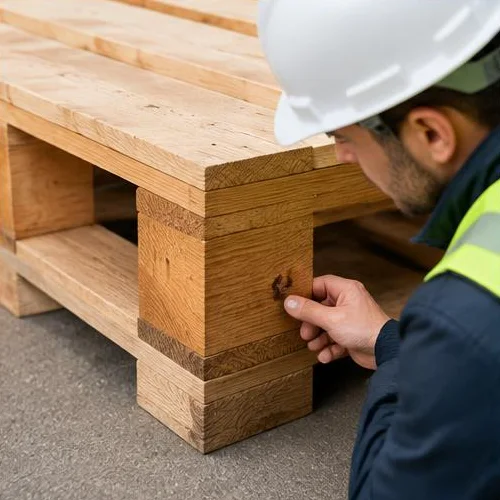
Start with the actual composition of each element. Solid wood used in pallets, boxes, crates and supports may fall within the regulated universe. Processed materials, such as plywood manufactured using glue, heat or pressure, receive different treatment under the international standard. Wood no more than six millimetres thick also falls within ISPM 15 exclusions. Do not infer exclusion from the packaging’s trade name alone: confirm the material, manufacturing process and actual characteristics before approving the conclusion. 2
A plywood box may include a solid-wood base or crosspieces. In that case, exclusion of the panel does not settle the position of its other components. Request a packaging drawing or bill of materials, with photographs of underside supports and blocking. Record the conclusion for each element, not just each package. Also distinguish wood used as packaging from wood imported as merchandise: the latter may have its own requirements, outside the scope of this article and requiring a separate assessment.
Understand what the IPPC mark demonstrates
The IPPC mark identifies application of an approved phytosanitary measure within the official system. Its structure includes the symbol, country code, authorised producer or treatment-provider identification and treatment code. Check legibility, durability, location and association with the packaging against the standard. Do not treat an informal “HT” entry on an invoice as a valid mark, or authorise a supplier to reproduce a stamp independently to complete a last-minute photograph for shipment approval.
The mark does not certify structural strength, load capacity or moisture protection. Nor does it prevent inspection or demonstrate permanent freedom from pests. The explanatory document published by the IPPC Secretariat assists interpretation of application, repair and reuse, but is supporting material rather than a substitute for the standard or the Brazilian authority’s decision. Marked packaging may subsequently present a risk or lose compliance after inappropriate interventions, so an old mark cannot resolve every later condition. 3
Contract responsibility and evidence before loading
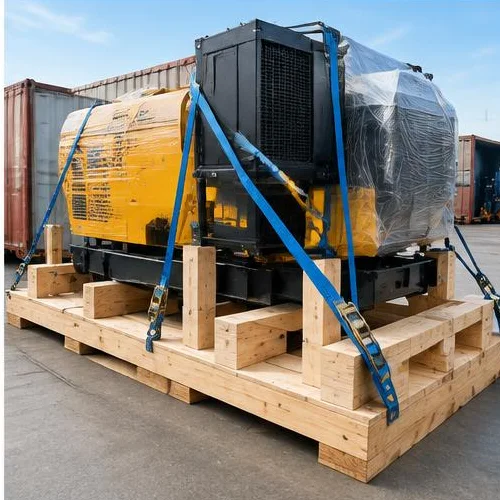
Define who supplies the packaging, who commissions treatment where necessary and who checks the authorised provider in the origin country. Require approval of changes to materials or service providers. The Incoterm, purchase contract and warehouse instructions should align, but an Incoterm does not remove phytosanitary controls. Allocate non-compliance costs and documentary cooperation in the contract without suggesting that a private clause binds inspectors or guarantees immediate reimbursement of expenses when a problem occurs.
Request overview photographs and close-ups of marks before wrapping or loading makes them inaccessible. Connect images to package identifiers and record the date, supplier and approved design. Service documentation can help investigate discrepancies, but should not be presented as a compulsory separate certificate for every package. Within ISPM 15 the mark has a central role; additional documents must be assessed against the specific circumstances and applicable requirements. A generic statement cannot replace a required mark that is missing from the packaging.
Reconcile wood with documents and the operation
Describe packaging appropriately and provide the customs representative with information on the presence and type of wood as required by applicable fields and procedures. Distinguish package counts, product pieces and supporting elements. The invoice and packing-list guide assists reconciliation. Do not declare an absence of wood because the main product is metal, or because the seller does not consider a pallet part of the merchandise price. The physical cargo configuration is what matters to this assessment.
The licensing and LPCO guide helps organise operation-control checks, but does not turn packaging into a universal licensing requirement. Coordinate the customs representative, freight agent, supplier and terminal so they know how to respond to selection or an information request. Preserve access to photographs and origin-provider details. Customs release of the merchandise and the phytosanitary decision concerning its supports must not be confused as if one automatically cancelled the other or made further controls irrelevant.
Loading and non-compliance response checklist
If a mark is illegible, a required mark is missing or pest signs appear, stop internal release and consult those responsible before dispatch. Do not try to resolve the problem by copying a mark, concealing wood or removing supports after arrival without authorisation. Available measures depend on the circumstances and official decision. Do not promise that local treatment, destruction or return will always be available, and do not give customers one universal resolution timetable for every type of non-compliance.
Hypothetical example: correct panels, incorrect blocking
An importer purchases a machine in a plywood box. The team records the relevant exclusion for processed panels, but also requests photographs of the base. It discovers solid-wood crosspieces and requests evidence addressing those elements. The warehouse adds blocks during loading; a contractual inspection finds that they do not match the approved plan and stops closure until they are replaced with an appropriate, documented solution. Approval concerns the final loading arrangement, not just the original drawing.
This is a hypothetical example, not a finding that all plywood requires treatment. It shows why approving a crate at the factory does not automatically cover wood added during consolidation. The importer retains final photographs, identifies packages and updates the information supplied for customs handling. It does not treat these records as a release guarantee: they help prevent failures and support inspection responses, while the authority retains its competence to assess the actual risk presented by the shipment.
FAQ and the pre-shipment decision
Does every package need a separate certificate? No. Do not turn a provider’s paperwork into a universal obligation; check the mark and the requirements for the actual case.
Does plywood remove the need to review the whole box? No. Bases, crosspieces and blocks may have another composition.
Does an IPPC mark prevent inspection? No. It does not eliminate inspection or a possible risk finding.
Can every failure be resolved at the port? There is no guarantee. The solution depends on the non-compliance and competent authority.
Does the mark prove pallet strength? No. Structural safety and phytosanitary requirements are separate assessments.
Send photographs, packaging drawings, materials, origin country and loading plan through our contact page. Review should happen while packaging can still be changed, not after promising the customer release without outstanding issues.